Are you paying for condo amenities that look great in photos but add little to your resale? In Toronto, the right features can help your place sell faster and for more, while the wrong ones quietly inflate your monthly fees. You want useful perks without signing up for a cost spiral. This guide shows you which amenities buyers actually value, how they affect fees, and what to check before you buy. Let’s dive in.
How amenities shape value in Toronto
In Toronto’s condo market, amenities are part of your real carrying cost and your future resale story. Practical, well-managed features tend to widen buyer appeal and support pricing. High-maintenance, underused facilities can push fees up without helping demand.
Think about fit and scale. A large building can spread costs across more owners, while a small building with full-service amenities may carry a heavier per-unit burden. Match the amenity mix to the dominant buyer profile in the area and building to protect resale.
Concierge tiers: what to expect
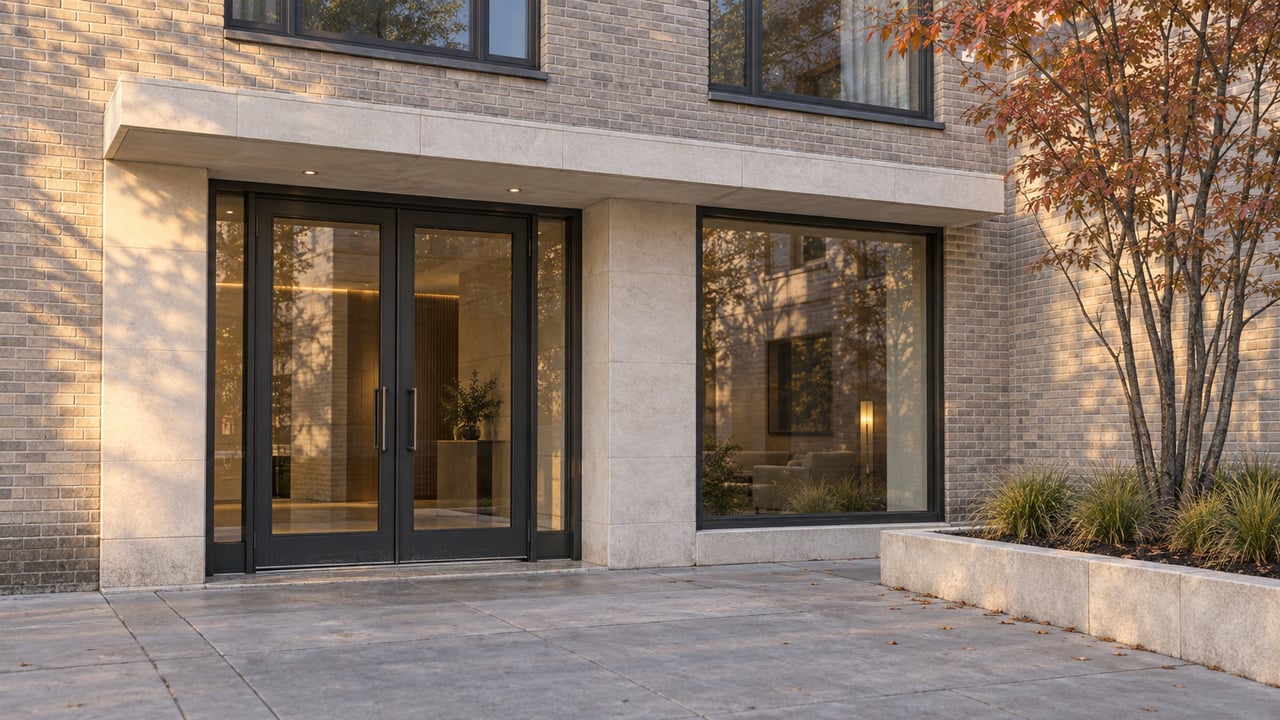
A concierge is one of the most visible amenities, but service levels and costs vary widely. Understanding the model tells you a lot about fees and security.
- 24/7 on-site concierge: Most expensive. Often includes security oversight, package handling and resident support. Appeals to many downtown and luxury buyers.
- Daytime or part-time concierge: Lower cost with limited hours. Useful for deliveries and basic support.
- Virtual concierge and delivery lockers: Lowest cost, tech-enabled access and monitoring. Less human presence.
What to check before you buy:
- Hours, staffing model and whether staff are unionized or contracted, since wage commitments can drive future fee increases.
- Package room operations, key management and liability coverage.
- Whether any revenue offsets exist, such as paid services that reduce the net cost.
Resale outlook: Full-time concierge can be a plus for many buyers, but in smaller buildings the cost per unit can deter cost-sensitive purchasers. Align the level of service with the building’s size and your long-term budget.
Gym quality: more than a treadmill
A “gym” on a feature sheet tells you very little. What matters is whether it replaces a paid membership for everyday use without becoming an expensive showpiece.
What makes a gym valuable:
- Size and capacity that fit the resident population.
- Equipment mix that covers cardio, free weights and resistance training, plus studios for classes.
- Consistent maintenance, good air handling and clear cleaning protocols.
- Reasonable hours and safe access.
Cost factors and fee impact:
- Equipment purchase and replacement cycles, specialized HVAC and cleaning add up.
- Insurance for fitness facilities and any staffing can push operating budgets higher.
- Some buildings offset costs with paid classes or memberships where allowed.
Due diligence tips:
- Visit the gym. Note equipment condition, ventilation and peak-time crowding.
- Ask for the equipment inventory and replacement schedule.
- Confirm hours, access rules and whether residents pay any extra fees.
Resale outlook: A usable, well-kept gym often justifies a modest fee premium and draws renters and end users. Boutique-level facilities can attract premium buyers but also increase fees, so weigh the tradeoff.
Guest suites: convenience with a ledger
Guest suites let visitors stay on-site for a nightly fee, which many owners consider highly practical. This is especially useful for owners who host occasionally but do not want a larger unit year-round.
How buildings manage costs:
- Operating costs include housekeeping, supplies, scheduling and utilities.
- Most corporations charge nightly rates and may require a deposit. If usage is steady, income can offset expenses.
What to check:
- Booking rules, occupancy limits and blackout dates.
- Nightly rates, cleaning standards and damage policies.
- Maintenance frequency and furnishings quality.
Resale outlook: Guest suites are a selling feature for buyers who host family or out-of-town visitors. If suites sit empty and still add to fixed costs, they are less of a net benefit. Look for clear, well-run booking systems that keep usage and revenues healthy.
EV readiness: future-proof parking
Electric vehicles are becoming more common, and many buyers expect a path to home charging. In condos, EV readiness is both an infrastructure and a policy question.
What EV-ready means:
- Physical capacity: Adequate electrical supply, space for chargers, and conduits to parking spots or at least to shared areas.
- Policy readiness: Clear bylaws for owner-installed chargers, defined approval processes and fair electricity billing.
Retrofit realities and costs:
- Upgrading transformers, panels and garage conduits can be complex and costly. Costs may be covered by individual owners, the corporation or both.
- Approvals and bylaws matter. Ambiguous rules can slow or prevent installations.
Due diligence tips:
- Ask if the building has spare electrical capacity and a documented EV plan.
- Review bylaws and recent meeting minutes for charger policies and any engineering studies.
- Confirm how charging usage is billed to owners.
Resale outlook: Buildings with clear EV policies and capacity will likely hold broader buyer appeal over time. A building with no plan may lose buyers as EV adoption rises.
Storage and bike rooms: everyday utility
Storage is practical value you feel every week, especially in compact Toronto units. Lockers and secure bike rooms rank as high-priority features for many buyers.
Storage types and considerations:
- Storage lockers: Confirm location, security and actual dimensions. Oversized lockers are a bonus.
- Bike storage: Look for secure access, proximity to exits and realistic rack availability.
What to check:
- Whether the locker is owned or exclusive-use, included in the purchase price or rented.
- Assignment policies, waitlists and the process for reallocation.
- Whether storage is located in areas prone to leaks or flooding.
Resale outlook: A well-located, properly sized locker is an easy checklist win on listings. Secure, convenient bike storage is increasingly expected in urban buildings.
Fees, reserves and bylaws: read the fine print
Amenity value lives or dies in the financials. Maintenance fees fund operations and the reserve fund, so higher-cost amenities usually appear there. Compare fee levels by building age, size and amenity mix, and review fee trends to understand direction.
Reserve fund studies estimate future capital repairs and replacements. Buildings with major amenity assets can face higher lifecycle costs. A weak reserve or imminent replacements can lead to special assessments or fee spikes.
Always review the status certificate, financial statements and recent meeting minutes. You want to see transparent budgets, realistic reserve planning and clear rules for amenity use, including EV installations and guest suite bookings.
Smart due diligence checklist
Before you commit, use this tight checklist to separate useful perks from costly extras.
Key documents to review
- Current status certificate and any updates.
- Latest financial statements and auditor’s report.
- Most recent reserve fund study and the board’s capital plan.
- AGM minutes from the last 1 to 2 years and any special meeting notices.
- Bylaws and rules, especially for pets, parking, EVs and amenity bookings.
- Building insurance summary, including deductibles and coverage scope.
- Operating budget with line items for major amenities.
Questions to ask management
- Concierge: hours, staffing model, unionization and any revenue offsets.
- Gym: equipment list, replacement schedule, HVAC details and access policy.
- Guest suite: occupancy rates, nightly fees, booking system and cleaning protocol.
- EV readiness: existing chargers, panel capacity, installation process and billing.
- Storage: locker sizes, assignment rules, waitlists and bike room security.
- Upcoming capital projects that could change fees or access.
Weighing by buyer profile
- First-time or urban professional: prioritize secure entry, usable gym and storage. Guest suites may be secondary.
- Frequent hosts: value guest suites, practical concierge hours and larger storage.
- Investor: seek low operating costs, strong reserves and amenities that renters use.
- Downsizer: look for reliable concierge and low-maintenance amenities with easy access.
Red flags to avoid
- Unexplained fee increases tied to amenity operating costs.
- Recent or pending special assessments for amenities.
- Restrictive bylaws that make EV installations difficult.
- Underused or poorly maintained amenities that still cost a lot.
Positive signals
- Amenity revenues that clearly offset costs, such as well-booked guest suites.
- A current reserve fund study that budgets for amenity lifecycles.
- Clear, owner-friendly EV policy and documented planning.
- Responsive property management and visible maintenance standards.
Trends to watch
Buyer demand is shifting toward practical amenities that people use every week. Secure bike storage, well-designed lockers, flexible co-working or multiuse rooms and EV readiness are rising in importance. Cost control matters. Buildings that balance useful features with sustainable operating plans tend to be more resilient in changing markets.
If you keep your focus on practicality, policy clarity and financial health, you will pay for amenities that support your lifestyle today and protect your resale tomorrow.
Ready to narrow your search to buildings where the amenities and the numbers make sense? Reach out to Dimitri Kalkounis for tailored guidance on specific Toronto condo corporations, document reviews and offer strategy.
FAQs
Which condo amenities add resale value in Toronto?
- Practical features with broad appeal, such as reliable concierge, a usable gym, EV readiness and well-managed storage, tend to support demand and pricing.
How do amenities affect Toronto condo fees?
- Amenities with staff, heavy utilities or expensive equipment increase operating budgets and reserve needs, which you see in monthly fees and fee trends.
What does EV-ready mean in a condo building?
- It means adequate electrical capacity, space for chargers, and clear bylaws and processes for installation and billing so owners can add chargers as needed.
Are guest suites worth it for most buyers?
- They are valuable if you host visitors and the suite is well-used with reasonable nightly rates; usage and revenue can offset the operating cost.
What should I check in condo storage and bike rooms?
- Confirm locker size and ownership, security and location, any waitlists, and whether bike storage is secure and accessible near entrances.