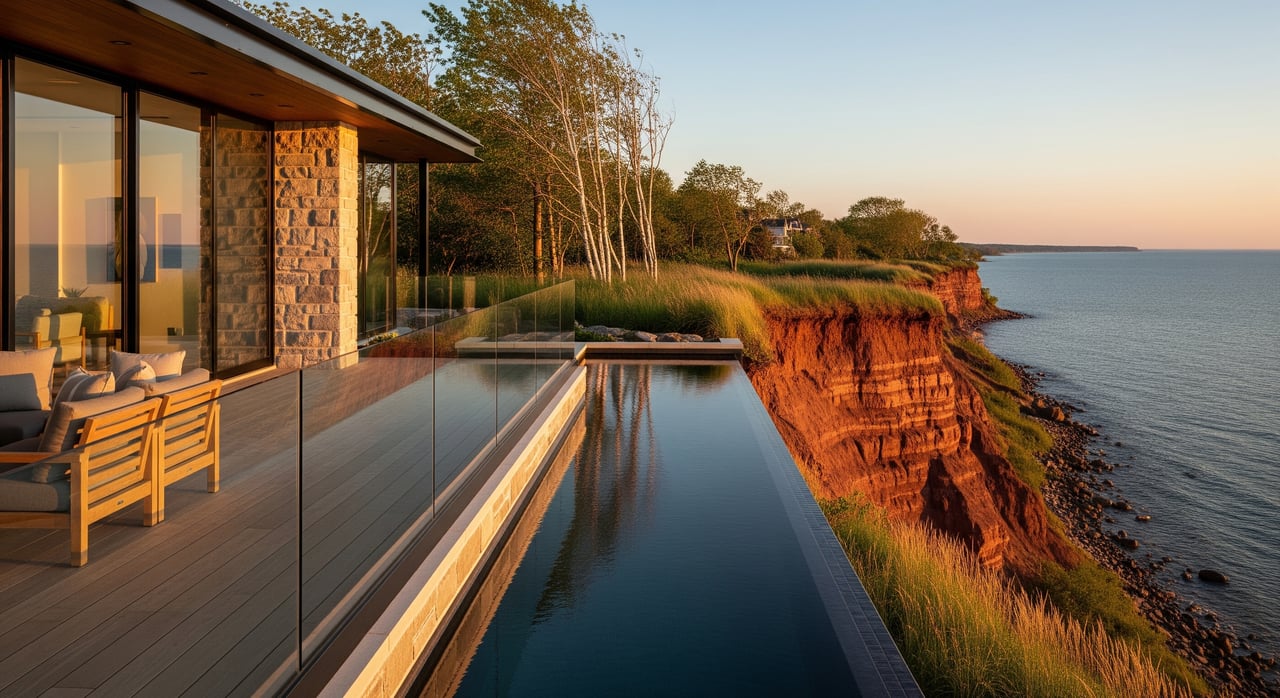
Living Near the Scarborough Bluffs: Day‑to‑Day Life
What draws so many people to the Scarborough Bluffs? Start with the lake views, then add sandy beaches, cliff‑top parks, and a quieter east‑end feel that still keeps you connected to the city. If you want space, nature, and strong community vibes without downtown density, this area deserves a close look. In this guide, you’ll learn how day‑to‑day living works here, from housing styles and budgets to parks, transit, and key buyer due diligence. Let’s dive in.
The Bluffs form a striking escarpment along Lake Ontario, creating dramatic cliffs, beaches, and lookout parks in eastern Toronto. Neighbourhoods commonly associated with the area include Birch Cliff, Cliffside, and Guildwood, along with communities near Bluffer’s Park. You’ll find a mix of long‑time residents, professionals attracted to lake access, and retirees who enjoy a calmer pace.
Compared with inner‑city Toronto, the area is lower density and more car‑friendly in daily life. Kingston Road anchors local shops, cafés, and services, while larger retail and civic amenities are a short drive or bus ride inland. Seasonal use of the waterfront is a big part of life here.
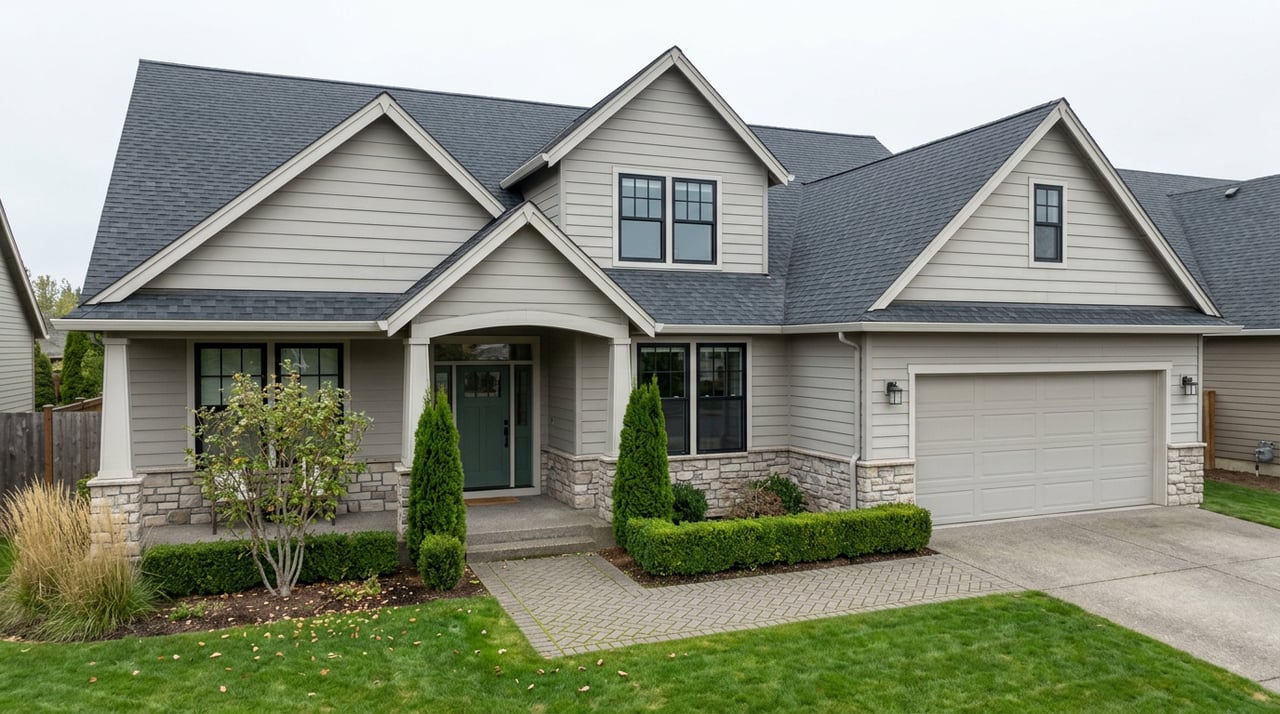
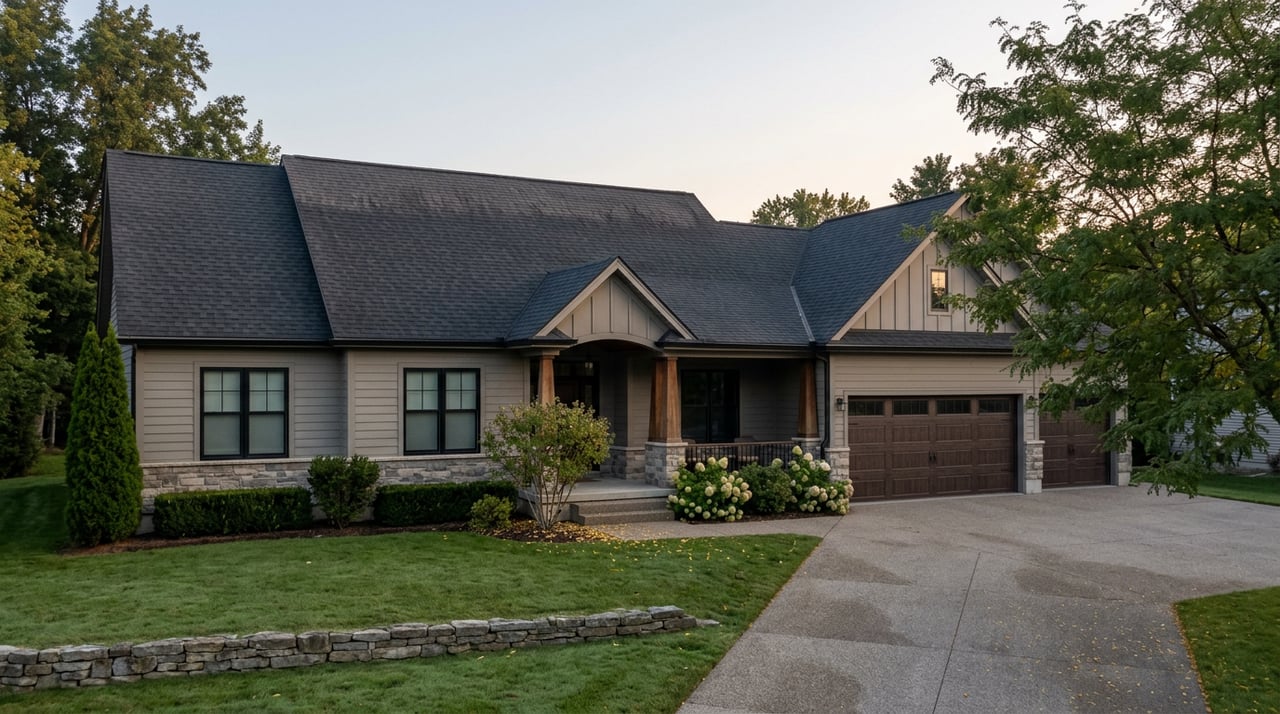
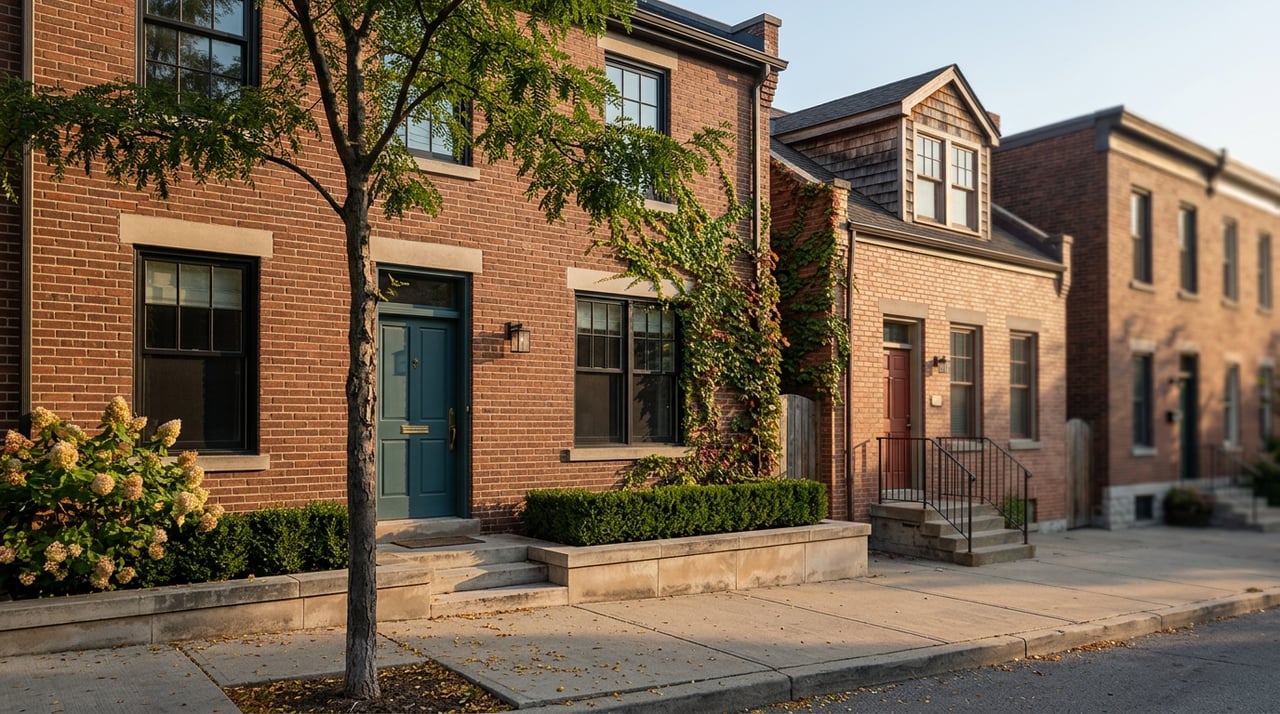
Bluff‑top and lake‑view streets feature mid‑century detached homes, character cottages, renovated properties, and occasional modern infill. Inland, you’ll see a mix of detached and semi‑detached homes, townhouses, and low‑rise apartments. Along major corridors like Kingston Road, newer townhome and condo options are more common.
Properties with clear lake or bluff views typically command a premium within Scarborough. If you want proximity without paying for viewlines, inland homes and stacked towns or low‑rise condos offer more affordable entry points. Waterfront lots remain sought after because they are limited, so competition often centers on larger lots and easy access to parks or trailheads.
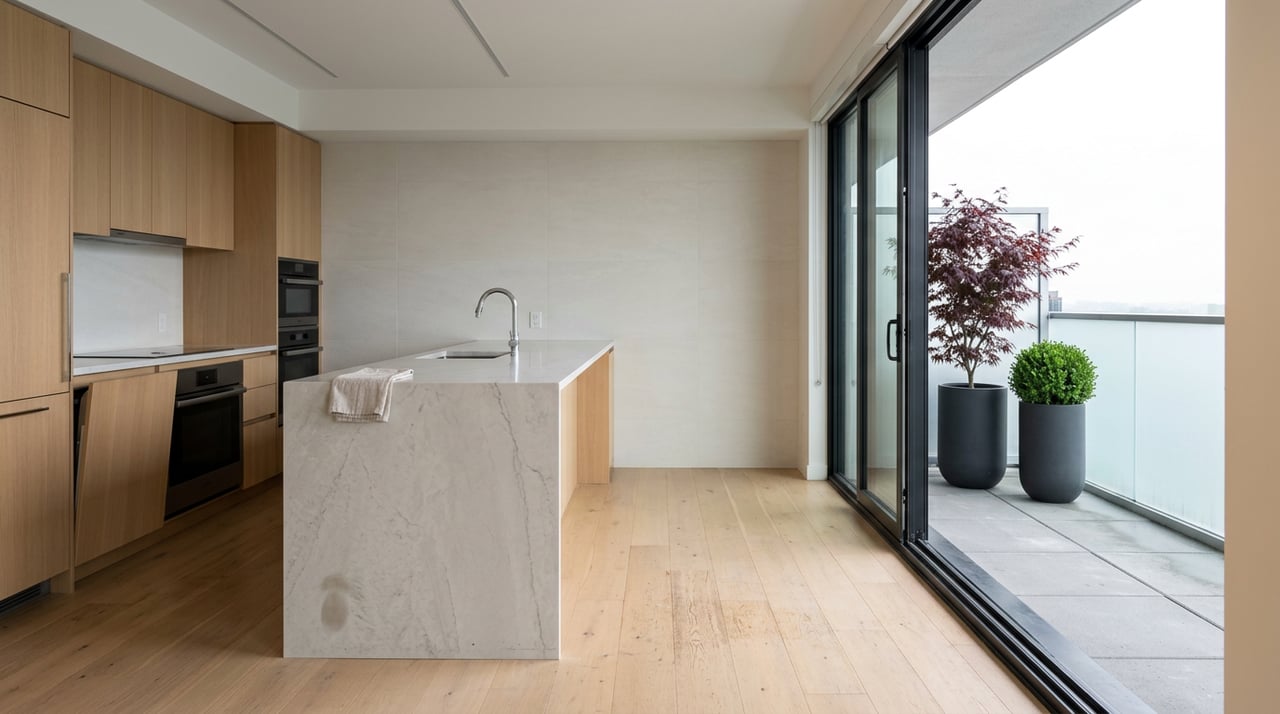
Low‑ and mid‑rise condos and stacked townhomes cluster along arterial roads and near transit nodes. High‑rise development is more prevalent farther west or in Scarborough Centre. If you value turnkey living near the lake, these buildings can be a practical way to stay close to the Bluffs.
Close proximity to the cliffs introduces a few extra steps. Build them into your plan early.
The area’s crown jewel is Bluffer’s Park, which offers a public beach, marina, and picnic areas at the foot of the cliffs. Up top, Scarborough Bluffs Park and Scarborough Heights Park provide lookout points and greenspace. The local stretch of the Waterfront Trail links neighbourhoods to the shoreline and other east‑end paths.
You can swim and sunbathe in summer when lifeguards typically supervise designated beaches. Boating, kayaking, and paddleboarding are supported by marina facilities. Trails and lookout areas are popular for walking, running, cycling, photography, and birding through three seasons, with winter visits more low‑key.
Stairways and access paths connect the plateau to the beach. Some staircases can be temporarily or permanently closed for safety or erosion management. If direct stairs are closed, allow extra time to access the beach from open routes.
Warm weekends and holidays draw many visitors. Parking fills quickly, and nearby residential streets can see overflow. Local residents often plan beach days in the morning or choose quieter weekday visits.
TTC buses on Kingston Road and nearby arterials link you to Line 2 subway stations such as Victoria Park, Warden, and Kennedy. The Scarborough RT was decommissioned, and bus replacements and future projects continue to evolve, so it is smart to check current TTC updates. For regional travel, GO Transit’s Lakeshore East line serves Guildwood GO Station, which is a practical option for some parts of the Bluffs.
Many households rely on cars for errands. Kingston Road, Lawrence Avenue East, and Victoria Park Avenue handle most east‑west and north‑south trips, with Highway 401 to the north for regional drives. Rush‑hour congestion can slow buses and driving, so allow extra time for downtown commutes.
Commercial strips along Kingston Road and nearby nodes offer grocery stores, pharmacies, bakeries, and personal services. Larger retail centers and Scarborough Town Centre are a short drive or transit ride inland.
The area is served by the Toronto District School Board and Toronto Catholic District School Board. School availability is similar to other residential parts of Scarborough. Always verify specific catchments for your address and confirm childcare openings directly.
You’ll find walk‑in clinics and community healthcare services in nearby hubs. Larger hospitals and specialty care are reachable within a short drive across Scarborough and east Toronto.
Lake breezes often keep summer temperatures comfortable near the shore. Evenings can feel cooler, especially on bluff‑top properties. Wind exposure is higher along the cliff edge.
Expect more activity near parks during warm weekends, especially at Bluffer’s Park. Locals often time visits for early mornings or off‑peak seasons. Residential streets close to beach parking may see increased traffic on hot days.
Lookouts usually have railings and signage, but supervision is essential with young children or pets. Trails or stairs may be closed if conditions are unsafe or if stabilization work is underway. Respect posted advisories and stick to marked paths.
The City of Toronto and the Toronto and Region Conservation Authority monitor erosion, slope stability, and shoreline risks. You may see temporary closures or construction related to stabilization or public works. Community groups and volunteers also support stewardship and clean‑ups.
If you want lake access, scenic parks, and room to breathe, the Scarborough Bluffs area delivers a distinctive lifestyle. You trade some downtown convenience for nature, space, and a strong seasonal rhythm centered on the water. With the right due diligence, especially near the cliff edge, living here can feel like a daily retreat without leaving Toronto.
If you are weighing different pockets and housing types, a local, data‑savvy plan can help you move with confidence. When you are ready to explore, connect with Dimitri Kalkounis for a tailored strategy and a clear path forward.
Stay up to date on the latest real estate trends.

At Blue Door Realty Group, we believe every home is more than just a property — it’s the start of your next chapter. Our team is here to guide you with expertise, honesty, and care so you can move forward with confidence.

BLUE DOOR REALTY GROUP
4-50 Northline Rd Toronto ON M4B3E2