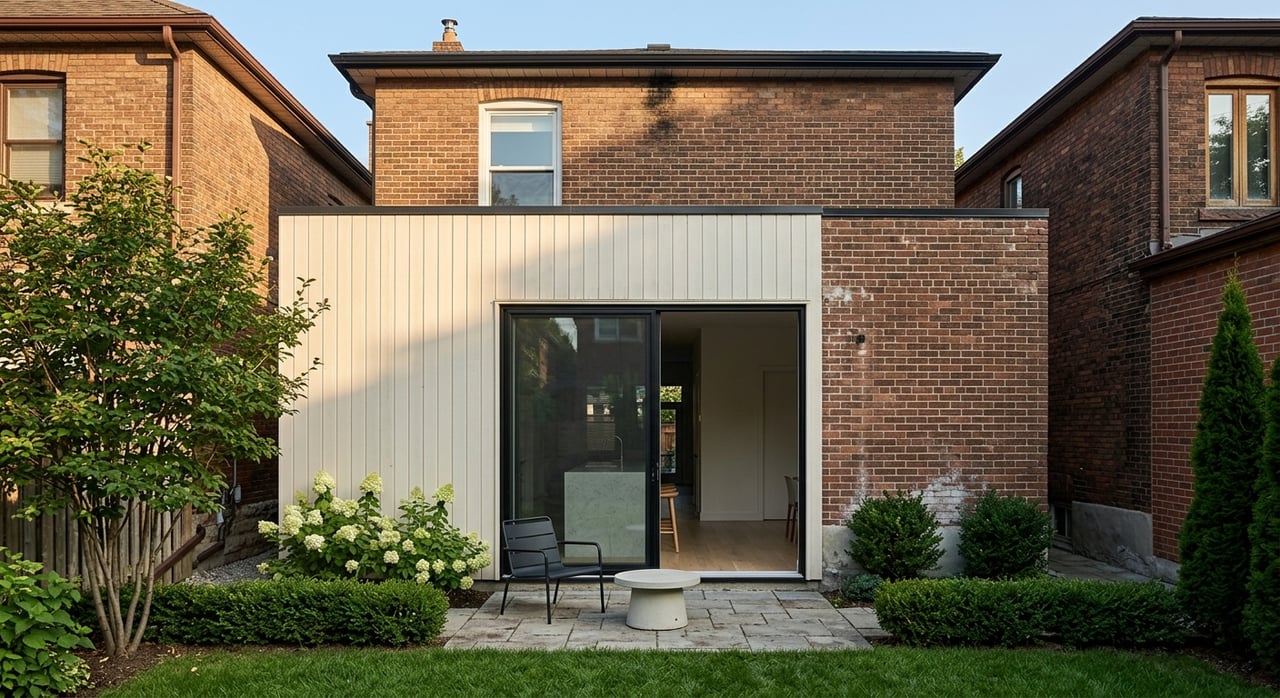
Renovate or Sell in East York? Weigh Costs and Value
If your East York home is starting to feel tight, dated, or out of step with how you live now, you are not alone. In a market full of older houses, many homeowners hit the same fork in the road: invest in a renovation or cash out and move. The right answer depends less on renovation shows and more on your lot, your block, your budget, and today’s resale math. Let’s break it down.
East York has a lot of older housing stock, and that matters. In Toronto East York, 36.5% of private dwellings were built in 1960 or earlier, which helps explain why so many owners are weighing updates, additions, basement projects, or a full move.
Older homes can offer great bones, solid locations, and long-term appeal. They can also bring layout issues, storage limits, low ceiling heights, aging systems, and renovation surprises that do not show up until work begins.
One of the biggest mistakes you can make is treating East York like a single pricing zone. It is not. TRREB’s Q4 2025 Toronto East report showed average sale prices of about $1,125,306 in Danforth Village-East York, $1,386,853 in East York, and $1,622,290 in Playter Estates-Danforth.
That gap is a big deal when you are planning a renovation. A project that makes financial sense on one street can be an over-improvement on another, even if the homes look similar at first glance.
Sale-to-list ratios and days on market also varied across these pockets. That tells you buyers are responding differently based on exact location, home type, and presentation, not just square footage.
Before you commit to staying or selling, compare these three numbers side by side:
This is the clearest way to cut through emotion. It helps you compare real options instead of guessing based on contractor quotes or headline sale prices nearby.
A renovation budget should include more than finishes and labor. In Toronto, permit fees can apply, and the scope of work can quickly shift from cosmetic to regulated.
Toronto requires a building permit for new buildings, additions, material alterations, and many basement projects. Finishing a basement may require a permit if the work adds plumbing, changes the structure, adds a second suite, involves underpinning, or creates a new basement entrance.
Purely cosmetic basement work may not require a permit if there are no structural changes, no new plumbing, and no added unit. But once your plans go beyond surface-level updates, the process usually gets more involved.
Toronto’s 2026 fee schedule lists interior alterations at $11.53 per square meter for Group C, E, and F work, plus a residential unit fee of $56.33 for each new unit in an application. Those are not the largest line items in most projects, but they are still part of the real cost.
If your property is tenant-occupied and the work requires vacant possession, the City also requires a rental renovation licence before the work can proceed. That can affect both budget and timeline.
This is where many East York renovation plans hit reality. Adding space is often more constrained than owners expect, especially in established neighborhoods with older lot patterns and older zoning rules.
For some properties still governed by older East York or Leaside by-laws, additions can face extra limits. East York By-law 6752, for example, sets an 8.5 metre height cap and restricts additions over a semi-detached dwelling except in limited rear-addition situations.
In plain English, that means your dream second-storey expansion or major addition may not be as straightforward as it seems. Before you fall in love with a plan, you need to know what your property can realistically support.
Renovating can be the smarter path when your location already works for you and the home mostly fits the block. If the project is a kitchen refresh, bathroom upgrade, paint, fixtures, or a code-compatible way to improve usable space, the numbers may be easier to justify.
The Appraisal Institute of Canada notes that homeowners should not assume renovation dollars come back dollar for dollar. It is uncommon to fully recoup renovation costs, and over-improvements may only be partially recognized in resale value.
That said, broadly appealing updates tend to have stronger value recovery than highly customized work. Kitchens, bathrooms, paint, and fixtures usually make more sense than oversized or very personal projects that narrow your future buyer pool.
If you love your location and your home mainly needs a refresh, smaller updates may solve more than you think. Buyers also tend to respond well to homes that feel move-in ready and functionally current.
Good examples include:
These projects are usually easier to control than major structural work. They can also make your home more enjoyable now while supporting resale later.
If your challenge is financial rather than purely spatial, creating additional income potential may be worth exploring. Toronto generally permits one secondary suite in a detached house, semi-detached house, or townhouse in residential zones, and garden suites are permitted in residential zones, subject to zoning and building code rules.
For some East York owners, that may be a better play than a full addition. A properly permitted suite or garden suite can create flexibility without forcing you into the cost and complexity of a much larger build.
Sometimes the issue is not that your home needs an update. It is that the home no longer fits your life, and fixing that would require too much structural change, too much cost, or too much compromise.
Selling tends to make more sense when the lot cannot realistically support what you want, when zoning or older by-laws make the project difficult, or when moving would solve several problems at once. If you need more space, a better layout, a simpler commute, and a better long-term fit, a renovation may only solve one piece of the puzzle.
There is also the resale ceiling to consider. Because East York values vary so much by micro-area, lot width, and house type, a large renovation can push you into over-improvement if your street does not support the finished value you are counting on.
Selling is not frictionless either. If you sell and buy another home in Toronto, the next purchase comes with Ontario land transfer tax and Toronto’s municipal land transfer tax.
That matters because many homeowners compare a contractor quote to a possible sale price and stop there. The better comparison is the all-in cost of staying versus the all-in cost of moving.
You should also weigh the practical cost of change. Moving has its own disruption, timing pressure, and uncertainty, especially if you are trying to buy up into a higher price bracket.
Current market conditions add another layer. TRREB’s June 2026 market watch reported GTA sales up 9.4% year over year to 6,770, while new listings were down 12.9%. At the same time, the average selling price was $1,058,658, down 3.9% from June 2025.
That is a mixed backdrop for homeowners. Tighter conditions can support prices over time, but this is still a market where accurate pricing and strong presentation matter.
If you sell, you will likely be rewarded for preparing your home well and launching with a sharp strategy. If you renovate, you still need to be realistic about what the finished product would be worth in today’s market, not in a best-case fantasy scenario.
If you are stuck, use this framework.
This is the part you should not skip. The Appraisal Institute of Canada makes it clear that renovation value has to be tested in the local market, and East York is exactly the kind of place where that advice matters.
Location, transit access, the surrounding neighborhood, house type, and exact pocket all affect what buyers will pay. In a market with this much variation, you need a current, local valuation before deciding whether to renovate, list as-is, or update before selling.
That kind of analysis should look at your home’s current value, likely value after targeted improvements, and what similar homes are actually selling for in your part of East York right now. Without that, you are making a major financial decision with only half the picture.
If you want a candid, data-backed read on your options in East York, Dimitri Kalkounis can help you compare the numbers and choose the path that fits your home, your goals, and the market you are actually in.
Stay up to date on the latest real estate trends.

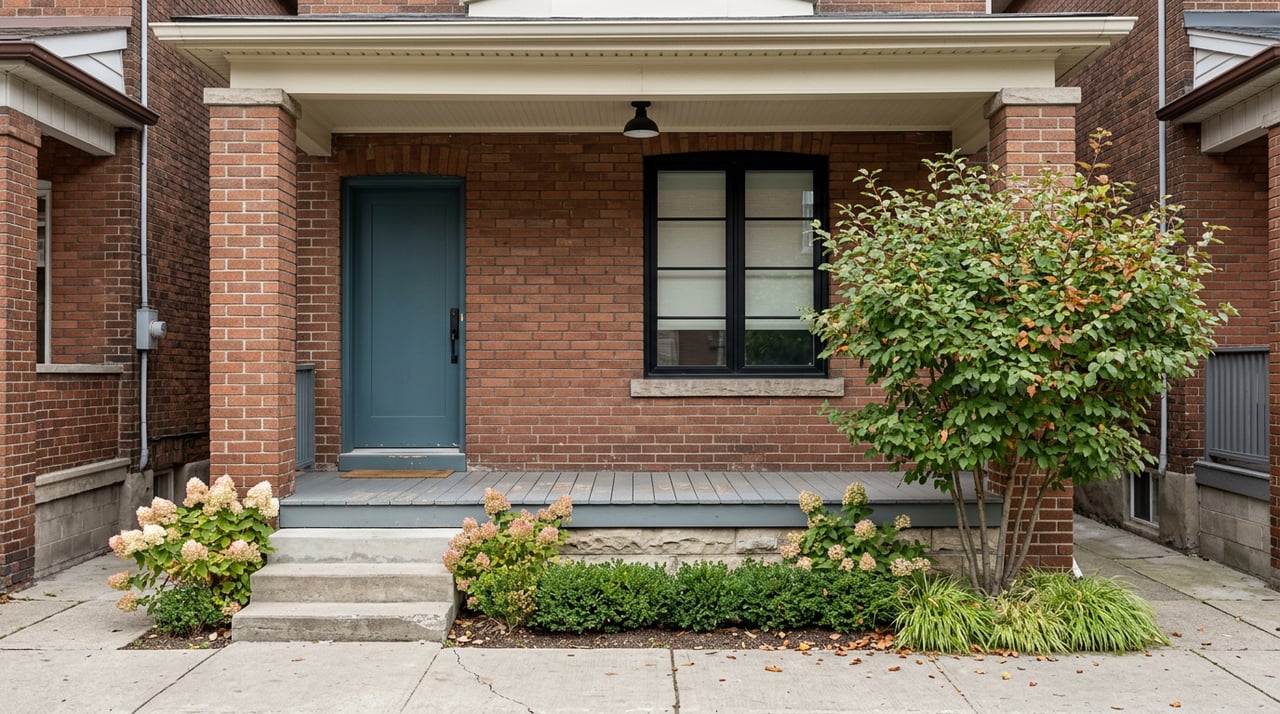
At Blue Door Realty Group, we believe every home is more than just a property — it’s the start of your next chapter. Our team is here to guide you with expertise, honesty, and care so you can move forward with confidence.

BLUE DOOR REALTY GROUP
4-50 Northline Rd Toronto ON M4B3E2