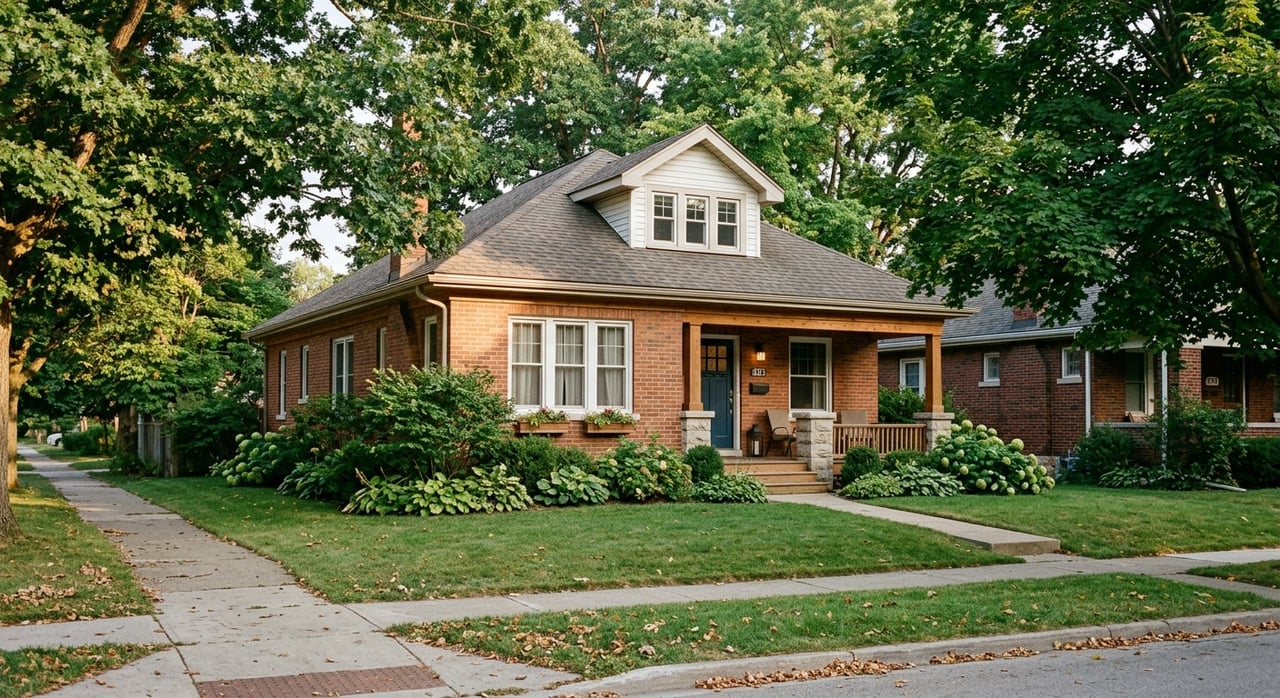
What East York Bungalow Living Feels Like Every Day
Looking for a Toronto neighborhood that feels calm at home but connected when you step out the door? That is a big part of the appeal of East York’s bungalow streets. If you are trying to picture what everyday life here really feels like, this guide will walk you through the housing fabric, parks, errands, and transit that shape the rhythm of the area. Let’s dive in.
East York’s bungalow character is tied to its history. The former municipality was incorporated in 1924, and City of Toronto archives show how quickly it grew through home construction, including postwar bungalow development on streets like Elmont Drive.
That older housing fabric still matters today. In the City’s 2016 profile for Old East York, 72% of occupied dwellings were single-detached and 16% were semi-detached, while 35% of homes were built before 1960. In simple terms, that points to an area with a strong low-rise, ground-related feel.
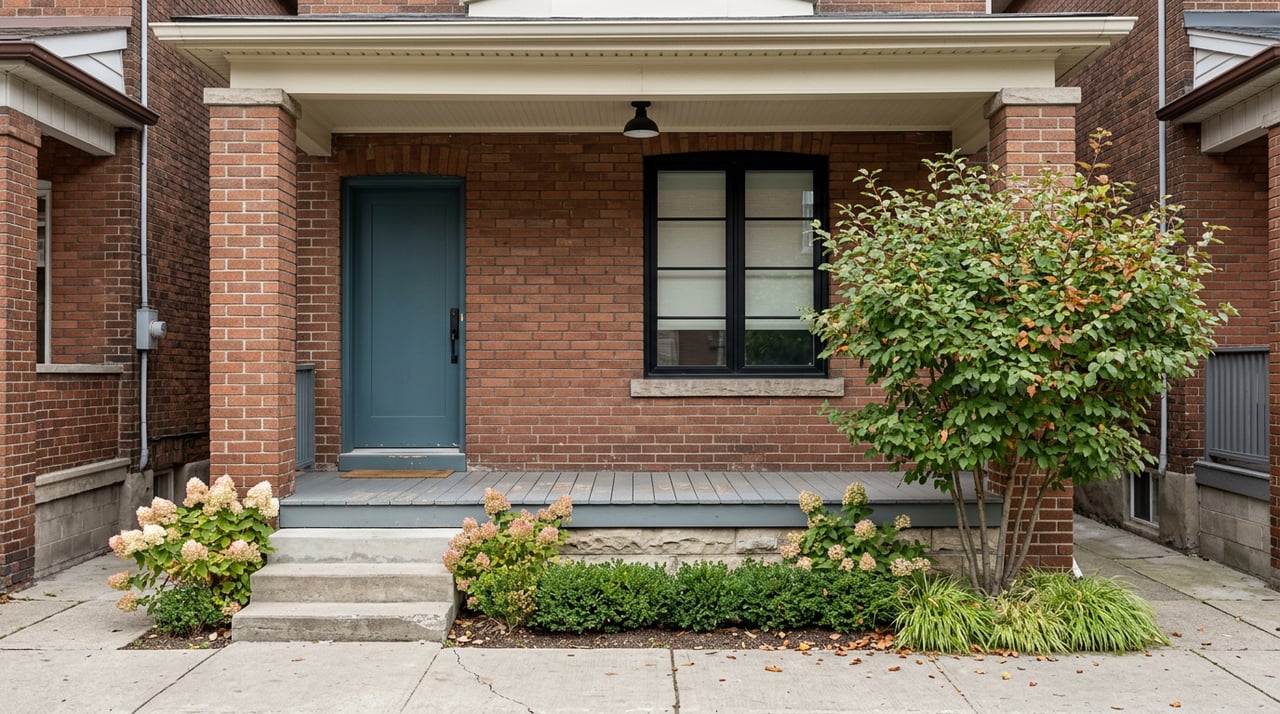
For many buyers, that translates into streets that feel established rather than newly assembled. You are often looking at mature trees, older lot patterns, and a home style that fits naturally into a neighborhood built around everyday living instead of sheer density.
One of the best ways to describe East York is balanced. You get residential streets with a quieter pace, but you are not far from main streets, transit, parks, and local routines that make city life practical.
The City’s Cultural Loops Guide describes the area as walkable, bikeable, and driveable. It also highlights scenic local streetscapes, parklands, woodlands, and a broader culture of preserving heritage. That combination helps explain why bungalow pockets here can feel both settled and active.
If you like neighborhoods where you can build small routines, East York fits that pattern well. A walk to grab coffee, an errand along Danforth, time in a nearby park, or a quick TTC trip can all be part of the same day without much friction.
Bungalow living is not just about the house itself. It is also about the scale of the street around it. In East York, that scale is supported by the area’s mix of detached, semi-detached, and other low-rise homes.
City planning materials define ground-related housing as detached, semi-detached, row houses, duplexes, and apartments in buildings under five storeys. That matters because it helps explain why many East York streets feel approachable and human in scale.
You are not reading a promise that every block looks the same, because East York has variation. But the broader pattern is clear: older low-rise housing, compact residential streetscapes, and a built form that supports a strong neighborhood feel.
A big part of East York life is how close many bungalow streets are to active shopping corridors. Danforth Avenue is described by City Planning as a historic main street and a neighborhood and regional destination with local shopping, public gathering spaces, and small businesses.
The built form along that corridor is primarily low-rise, with two-to-three-storey mixed-use buildings. That helps the street feel active without overwhelming nearby residential pockets.
For day-to-day living, this setup is hard to ignore. You can enjoy a quieter home street while still having practical access to restaurants, cafes, shops, and services nearby.
The retail pattern around East York is not built around a single large center. It is corridor-based, which often makes errands feel more woven into neighborhood life.
City BIA listings show several strong local strips near East York:
These areas include a mix of chain stores, street-front businesses, specialty food shops, restaurants, cafes, pubs, personal service providers, and food vendors. For you, that means daily convenience often comes in the form of familiar, repeatable routes rather than long cross-city trips.
If bungalow streets give East York its residential calm, parks and ravines add breathing room. This is one of the clearest advantages of the area’s everyday lifestyle.
The East York and East End Cultural Loops material points to woodlands, wildflowers, parklands, and scenic routes as part of the local experience. That is not just a weekend feature. In many parts of East York, access to green space becomes part of how people move through the neighborhood.
The Taylor Massey Trail is a strong example. It runs 3.5 km along the southeastern section of the 16 km Taylor Massey Creek and includes wetlands, meadows, woodlands, and parks.
The trail is used for walking, hiking, off-road cycling, and snowshoeing. If you value easy access to outdoor space without leaving the city, that is a meaningful everyday perk.
Stan Wadlow Park is another major asset connected to Taylor Massey Creek. The park includes sports facilities, an off-leash dog area, a playground, the Kiwanis outdoor pool, an ice rink, and a clubhouse with social, educational, and support programs.
That range of amenities matters because it supports different kinds of routines. Some days it is a walk, some days it is recreation, and some days it is simply space to reset.
Dieppe Park, on Cosburn Avenue just east of Greenwood, adds even more variety. It is a three-hectare park with an outdoor artificial ice rink and skate trail, a lit ball diamond, a multipurpose field, a Family Play Zone, a playground, and a splash pad.
There is also a park improvement plan underway. For residents, that points to continued investment in public space that supports year-round use.
Some neighborhoods have parks. Others have parks that act like a meeting point for the wider area. East Lynn Park is one of the clearest examples of that second category.
A 2025 City report describes East Lynn Park as a major community anchor. It also references DECA, the East Lynn Foundation, community events, and the East Lynn Park Farmers’ Market.
That kind of civic activity helps explain why East York can feel connected beyond the boundaries of any one block. When people talk about everyday life in the area, they are often talking about this blend of housing, park use, and neighborhood organization.
Lifestyle matters, but so does logistics. East York benefits from being near strong transit connections, especially along the Danforth corridor.
TTC Line 2 Bloor-Danforth runs east-west along Danforth Avenue, and City planning material notes that the corridor is within roughly 500 to 800 metres of existing Line 2 stations. That can make a real difference if you want a low-rise home setting without giving up transit access.
Accessible stations add another practical layer. Coxwell Station is one block north of Danforth and accessible, while Donlands Station received accessible upgrades and a second entrance and exit that opened in 2024. Woodbine Station is also accessible and includes bike lock-up, bike repair, and Bike Share connections.
Beyond the subway, local TTC routes support daily movement across the area. Service includes:
For you, that means East York bungalow living is not just about a nice street. It is also about having workable options for getting around.
Not every buyer wants the same thing from a neighborhood. But East York bungalow pockets make a strong case if you are looking for a balance of home comfort, low-rise streets, local retail access, and green space.
The best-supported way to think about the area is this: East York combines older detached and semi-detached housing, compact streetscapes, main-street errands, and strong access to parks and trails. That mix is one reason the neighborhood continues to attract buyers who want both calm and connection.
If you are comparing East Toronto options, East York deserves a close look. It offers a style of daily living that feels grounded, usable, and easy to understand once you spend time on the streets themselves.
If you want help exploring East York bungalow pockets or preparing your own home for a smart, design-forward launch, Dimitri Kalkounis can help you navigate the next step with clear advice and boutique-level service.
Stay up to date on the latest real estate trends.

At Blue Door Realty Group, we believe every home is more than just a property — it’s the start of your next chapter. Our team is here to guide you with expertise, honesty, and care so you can move forward with confidence.

BLUE DOOR REALTY GROUP
4-50 Northline Rd Toronto ON M4B3E2