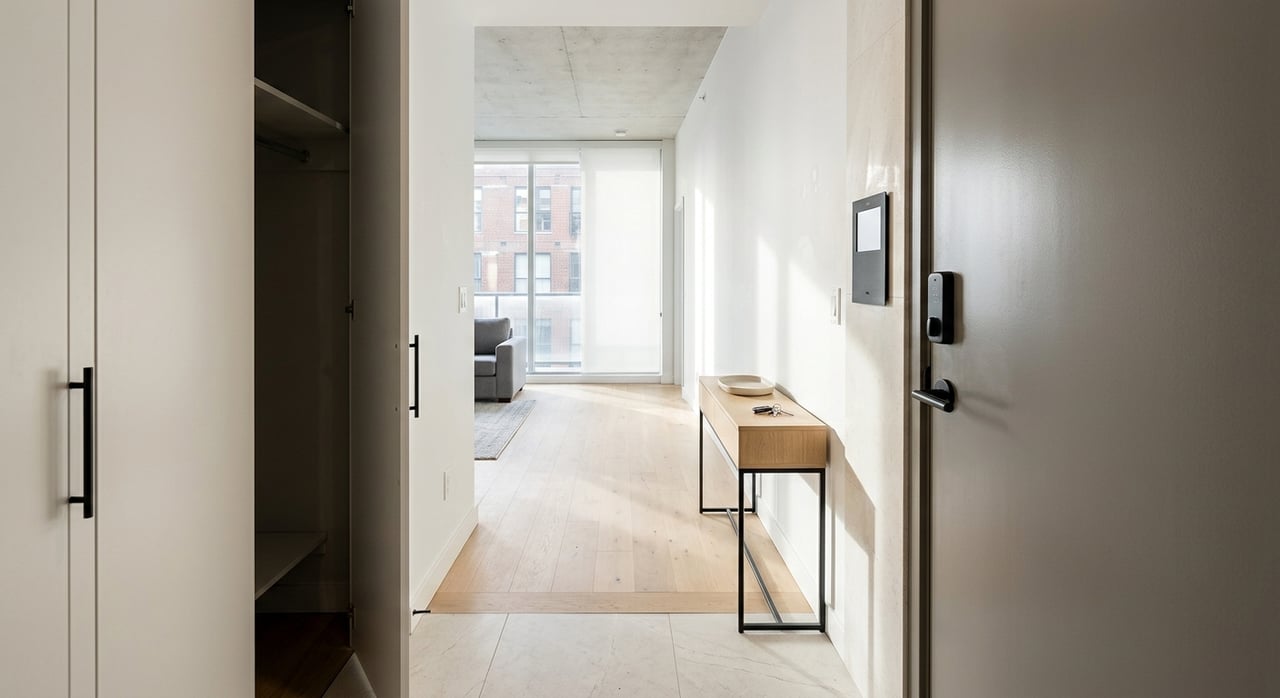
Renting Out a Scarborough Condo: A Smart Owner Playbook
Thinking about renting out your Scarborough condo? It can look simple on paper, but the real numbers and rules tell a more useful story. If you want to protect your cash flow, stay compliant, and attract the right tenant, you need more than a rent guess and a basic lease. This playbook will walk you through pricing, costs, condo rules, tenant screening, and day-to-day management so you can move forward with more confidence. Let’s dive in.
If you own a condo in Scarborough, your rental strategy should begin with local context, not downtown comparisons. A practical way to estimate rent is to look first at nearby Scarborough purpose-built rental benchmarks, then compare that with Toronto-wide condo rental conditions.
According to CMHC’s Toronto rental market reporting, the Toronto CMA condo-apartment market had a 1.0% vacancy rate in October 2025, with an average 2-bedroom condo rent of $2,904. In the same report, the purpose-built rental market showed a 3.0% vacancy rate and an average 2-bedroom rent of $2,046, which helps explain why condo rentals can still command a premium when they are well presented.
For a more local Scarborough view, CMHC’s zone tables show average 2-bedroom purpose-built rents of $1,843 in Scarborough Central, $1,774 in Scarborough North, and $1,852 in Scarborough East. You can review those local benchmarks through CMHC’s rental data tools.
That does not mean your condo should be priced at those exact figures. It means those numbers give you a local baseline. If your unit includes parking, updated finishes, strong transit access, or useful building amenities, you may be able to justify pricing above nearby purpose-built stock.
A tight condo market helps, but it does not mean you can price casually. CMHC also reported that new rental supply has increased competition, and 75% of structures completed since 2022 offered at least one incentive, most commonly one to two months of free rent.
That matters because tenants compare value across multiple property types. Even if your condo is in a tighter segment of the market, overpricing can leave you chasing the market later. In many cases, a clean launch, accurate pricing, and sharp presentation beat an optimistic list price.
One of the biggest mistakes new landlords make is focusing only on the mortgage payment. Your condo needs to carry more than that.
CMHC’s shelter-cost framework includes mortgage principal and interest, property taxes, condominium fees, and utilities. You can explore that cost framework in CMHC’s housing cost data.
When you run your numbers, include:
Toronto’s 2025 residential property tax rate is 0.754087% of assessed value. That is a useful number to plug into your monthly math, especially if you are trying to understand whether your target rent truly supports the property.
Even in a strong rental market, perfect cash flow is not guaranteed every month. You may face a vacancy gap, appliance repair, elevator booking fee, lease renewal delay, or a stretch where you need to refresh paint and finishes between tenants.
That is why experienced landlords usually underwrite for stability, not just best-case rent. If the numbers only work when everything goes right, the property may need a different rental strategy or a more conservative pricing expectation.
Insurance is often treated like a small detail until something goes wrong. For condo landlords, it deserves a proper review before the listing goes live.
The Condominium Authority of Ontario notes that condo corporations must carry insurance, but owners should strongly consider their own property insurance and legal expense insurance. Tenants may also be required to carry contents insurance under the lease or condo rules.
This is one area where clarity matters. Before you lease the unit, confirm what the corporation covers, what your owner policy covers, and whether your lease requires the tenant to maintain contents or liability coverage.
In Ontario, most private residential rental units, including condos, fall under the Residential Tenancies Act. The province also states that most new leases signed on or after April 30, 2018 must use the standard Ontario lease.
That is the legal baseline, but condo rentals have an added layer. The building’s declaration, rules, and bylaws can affect how your tenancy is set up and managed.
According to the Condominium Authority of Ontario’s leasing guidance, landlords must notify the condo corporation that they are leasing the unit and provide the lease and governing documents within 10 days of signing.
The tenancy agreement should clearly cover:
CAO also notes that the signed agreement should be provided within 21 days after the rental period starts.
Ontario does not allow a damage deposit for most residential rentals. CAO states that a rental deposit and key deposit may be allowed, but not a general damage deposit.
This is a common area of confusion for first-time landlords. If you want the lease to hold up and the process to stay compliant, it is important to stick to what is permitted.
Your condo corporation may have rules that affect who can rent the unit and how the tenancy works in practice. CAO notes that condo governing documents can regulate pets, smoking, noise, parking, and short-term rentals.
This means your ad, lease terms, and tenant expectations should all line up with the building’s actual rules. If the corporation limits certain uses or has registration steps for move-ins, you want that handled up front, not after a lease is signed.
If you are weighing short-term rental options, Toronto has separate rules. The city states that short-term rentals must be registered, are only allowed in a person’s principal residence, and the registration number must appear in the listing.
For an investment condo, long-term leasing should usually be the default assumption. In most cases, it is the cleaner fit with both condo governance and Toronto’s regulatory framework.
A good rental ad does two jobs at once. It markets the unit well and stays compliant with human rights rules.
The Ontario Human Rights Commission says rental ads should describe the unit, not the tenant. That means you should focus on features like layout, balcony, parking, storage, transit access, or building rules, while avoiding language that suggests a preference for or against protected groups.
For example, phrases like “ideal for a single professional” or comments about income support can create problems. The safer and smarter approach is simple: describe the condo clearly, accurately, and neutrally.
Tenant screening matters, but it has to be done carefully. The OHRC says landlords may ask for rental history, credit references, and income information, but those factors should be evaluated together.
The commission also says landlords should not use a blanket rent-to-income rule like a strict 30% cutoff, and they may not judge the source of income. You can read more in the OHRC’s rental housing policy guidance.
A consistent, documentation-based process usually works best. Instead of relying on one metric, review the full picture:
The goal is not to find a “perfect” tenant on paper. It is to apply the same fair process to every applicant and choose the strongest overall fit based on lawful criteria.
Finding a tenant is only half the job. The real test is how the tenancy runs month after month.
CAO notes that landlords can generally enter the unit only with 24 hours’ written notice, unless there is an emergency. It also explains that disputes may go to different forums depending on the issue, with condo-compliance matters going to the Condominium Authority Tribunal and landlord-tenant disputes going to the Landlord and Tenant Board.
That split matters because condo living adds another relationship to manage. You are not just dealing with a tenant. You are also responsible for making sure the tenancy lines up with building rules and procedures.
Cash flow planning also needs to reflect Ontario rent rules. The province says the 2026 rent increase guideline is 2.1%, most increases require 12 months between increases and 90 days’ written notice, and units first occupied for residential purposes after November 15, 2018 may be exempt from rent control.
That does not mean every landlord should push rent automatically. It means you should understand how the rules affect long-term planning, especially if your expenses are rising faster than your allowed increase.
If you want a practical way to approach your Scarborough condo rental, use this checklist:
Renting out a condo can be a strong long-term move, but the best results usually come from careful setup, realistic pricing, and disciplined management. If you want guidance on positioning your Scarborough condo for the rental market, Dimitri Kalkounis can help you build a smart, compliant strategy with a more polished launch.
Stay up to date on the latest real estate trends.





At Blue Door Realty Group, we believe every home is more than just a property — it’s the start of your next chapter. Our team is here to guide you with expertise, honesty, and care so you can move forward with confidence.

BLUE DOOR REALTY GROUP
4-50 Northline Rd Toronto ON M4B3E2