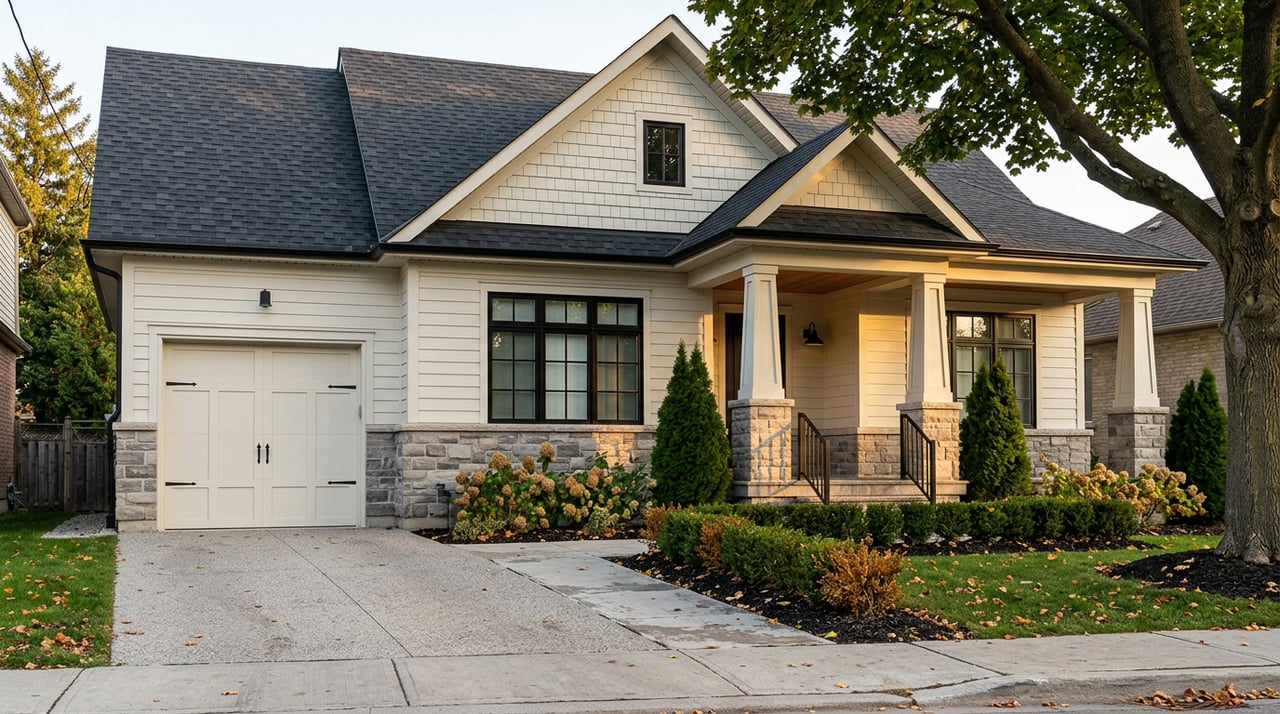
Relocating to East Toronto: Your Practical Starter Guide
Moving to a new city is exciting, but Toronto’s east side can feel like a maze of neighborhood names, transit updates, and housing choices. If you are weighing Riverdale against the Beaches, or Scarborough against East York, you are not alone. This starter guide gives you a clear lay of the land: how locals define the east side, how to commute right now, what homes you will typically find, and the essential week-one tasks to settle in smoothly. Let’s dive in.
Toronto’s “east side” is a practical umbrella, not an official boundary. In this guide, you will see two zones:
For exact neighborhood names and boundaries, the City of Toronto’s profiles are the standard reference. You can browse official neighborhood profiles for deeper, data-driven context on any area you shortlist. See the City’s neighborhood profiles.
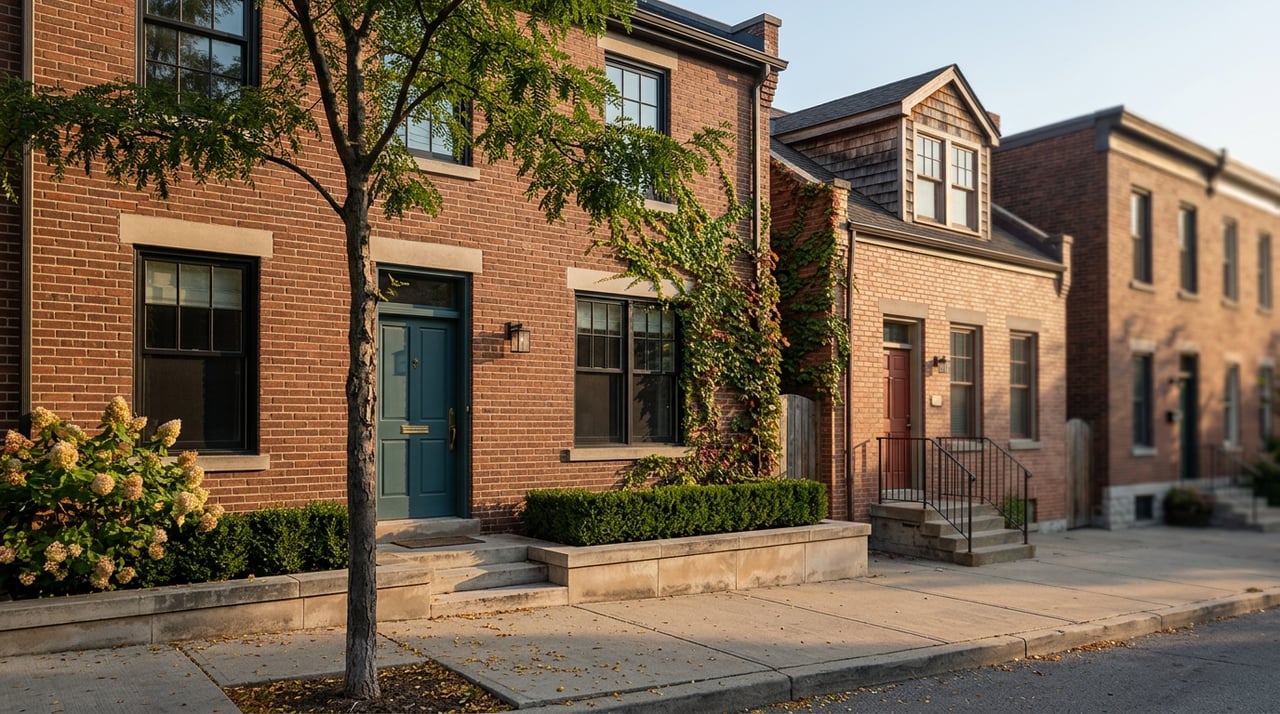
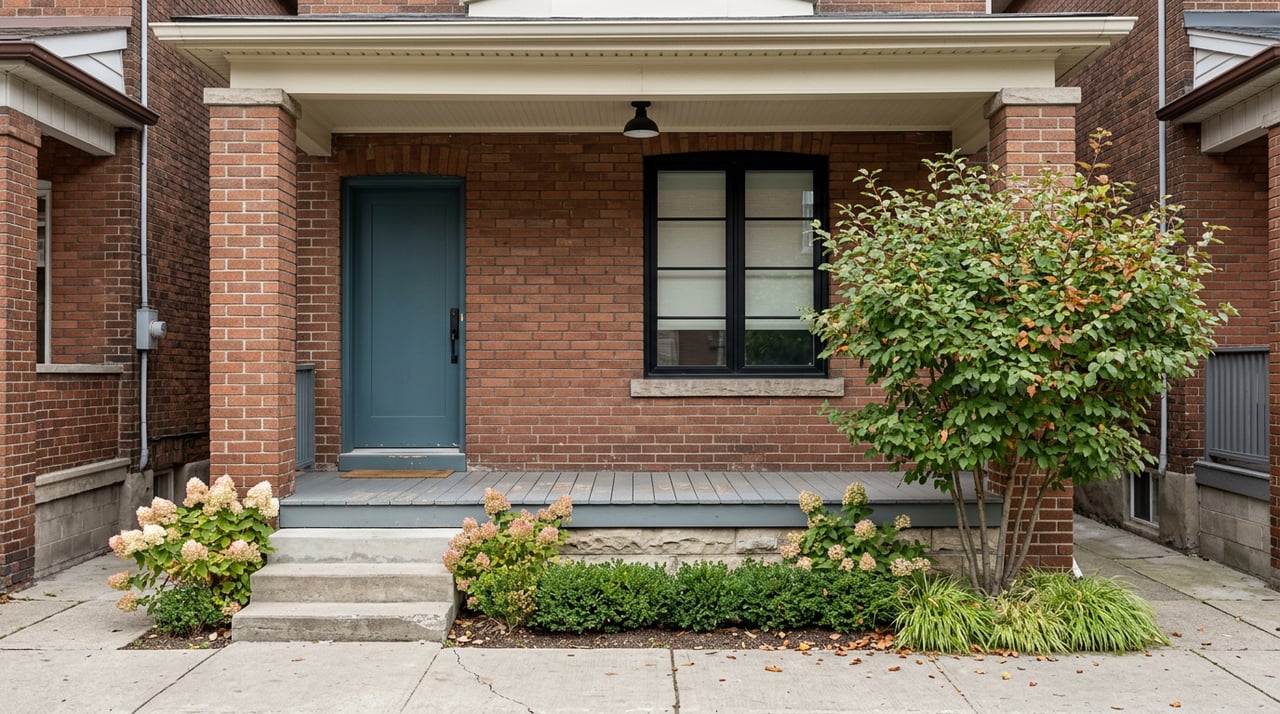
These are streetcar-era areas close to downtown with renovated semis, rows, and pockets of detached homes. You will also find low and mid-rise condos, especially near the subway along Danforth. Expect strong local retail and dining on Queen East and the Danforth, plus easy access to parks and bike routes.
Locals say “The Beach” or “The Beaches,” and both refer to the same waterfront community. You get boardwalks, Kew Gardens, and Woodbine Beach, with a lively summer scene and small-business main streets. Homes include semis, detached houses, and low-rise condos clustered near transit and the lake.
Scarborough is broad and varied, from condo clusters near Scarborough Town Centre to detached homes on larger lots in many established neighborhoods. Guildwood and the Bluffs offer scenic green space, while areas near GO stations and the 401 appeal to commuters. Housing types and price points span a wide range across Scarborough’s many micro-areas.
As of March 2026, here is how many east-side residents get around and what is changing.
Line 2 (Bloor–Danforth) is the backbone for inner-east commutes, with buses and streetcars feeding into subway stations along Danforth and Queen East. If you are near Danforth, your subway access will likely shape your daily routine. Check the TTC for service advisories before you plan your route on a new schedule or from a new address.
GO’s Lakeshore East line connects Toronto to communities east of the city and can be a useful option from parts of Scarborough. Weekend and construction changes can affect service, so it is smart to check notices when timing matters. See current updates on GO’s Lakeshore East construction notices.
Line 3 (the Scarborough RT) is permanently closed and replaced by interim bus service. The TTC’s dedicated Scarborough Busway is scheduled to begin service by the end of September 2026, which will change bus travel patterns. For the latest service date and stops, review the TTC’s Scarborough Busway update before you plan a commute.
The Don Valley Parkway and Gardiner Expressway connect the inner east to downtown and the west end, while Highway 401 is the main east–west route across Scarborough. Travel times vary by peak period, weather, and construction. Always test your exact route during your typical commute window.
TRREB’s February 2026 Market Watch reported the GTA average selling price around $1,008,968 with cooler conditions versus 2025. Use this for big-picture orientation and then assess your specific neighborhood and home type with fresh data. Review the TRREB Market Watch for current averages and trends.
You will see many renovated semis and rows, selective detached homes on smaller lots, and a good supply of low and mid-rise condos near transit. Being closer to downtown, per-square-foot values are typically higher than farther east. Inventory can move quickly, so preparation and pre-approval help you act with confidence.
Scarborough offers broader choice across condos, townhomes, and detached houses on larger lots in many neighborhoods. Buyers who need more interior space or a yard often find better value here than in the inner east. Proximity to GO, Highway 401, or Scarborough Town Centre can shape price dynamics within specific pockets.
Listings-based reports showed asking rents easing through late 2025 into 2026 in Toronto. Rentals.ca reported Toronto apartment asking rents around $2,495 in January in their February 2026 report, a year-over-year decline. For advertised rent benchmarks, scan the latest Rentals.ca report, and use CMHC’s reporting for supply and vacancy context across purpose-built rentals. Explore CMHC’s Rental Market Reports when you compare areas.
Relocating is a lot to juggle. A single, coordinated team reduces friction and keeps timelines tight.
You now know how locals define the east side, how to plan a commute today, what housing you can expect, and the tasks to complete in your first weeks. If you want a calm, coordinated move backed by modern tools and local insight, reach out for a personalized plan. Connect with Dimitri Kalkounis for a tailored east-side relocation strategy.
Stay up to date on the latest real estate trends.
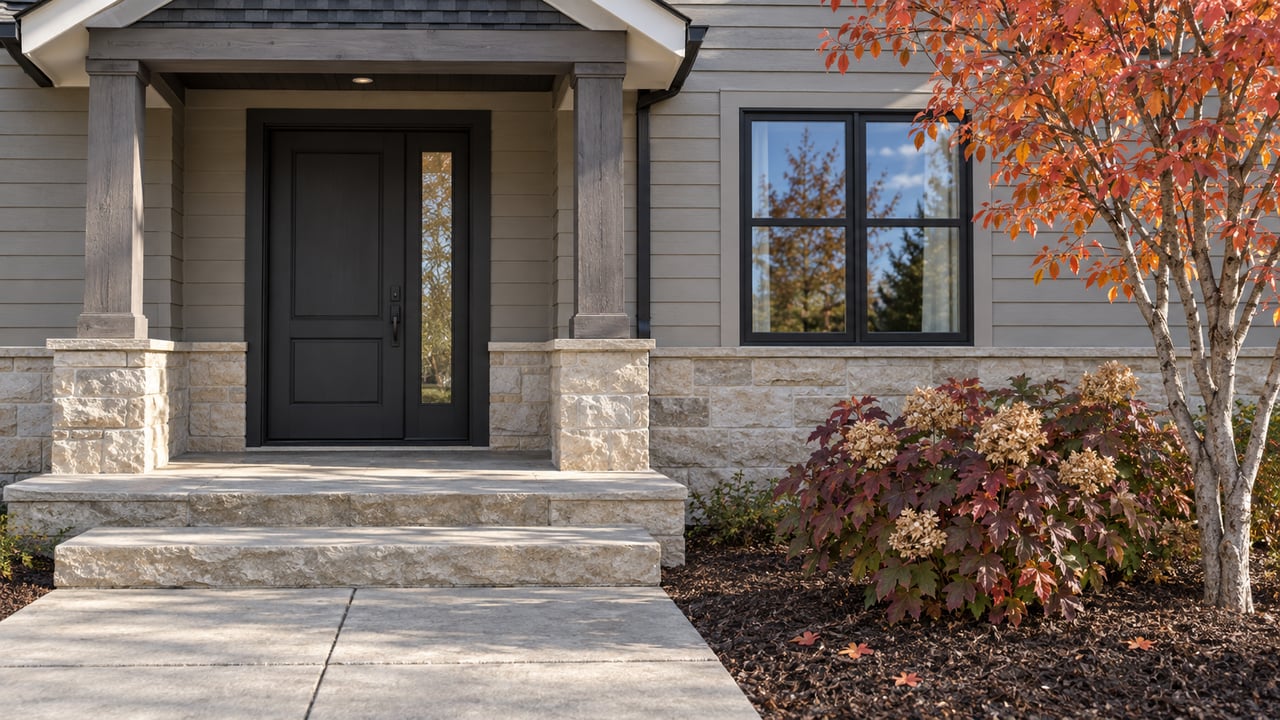
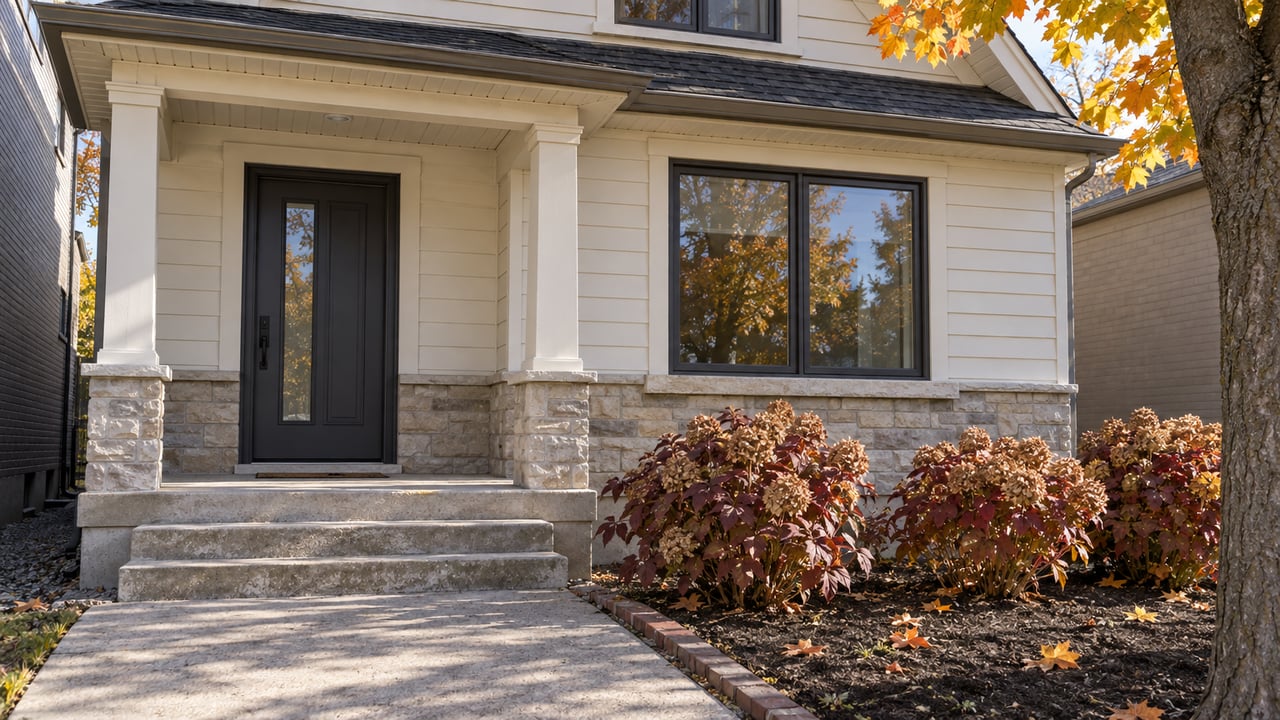
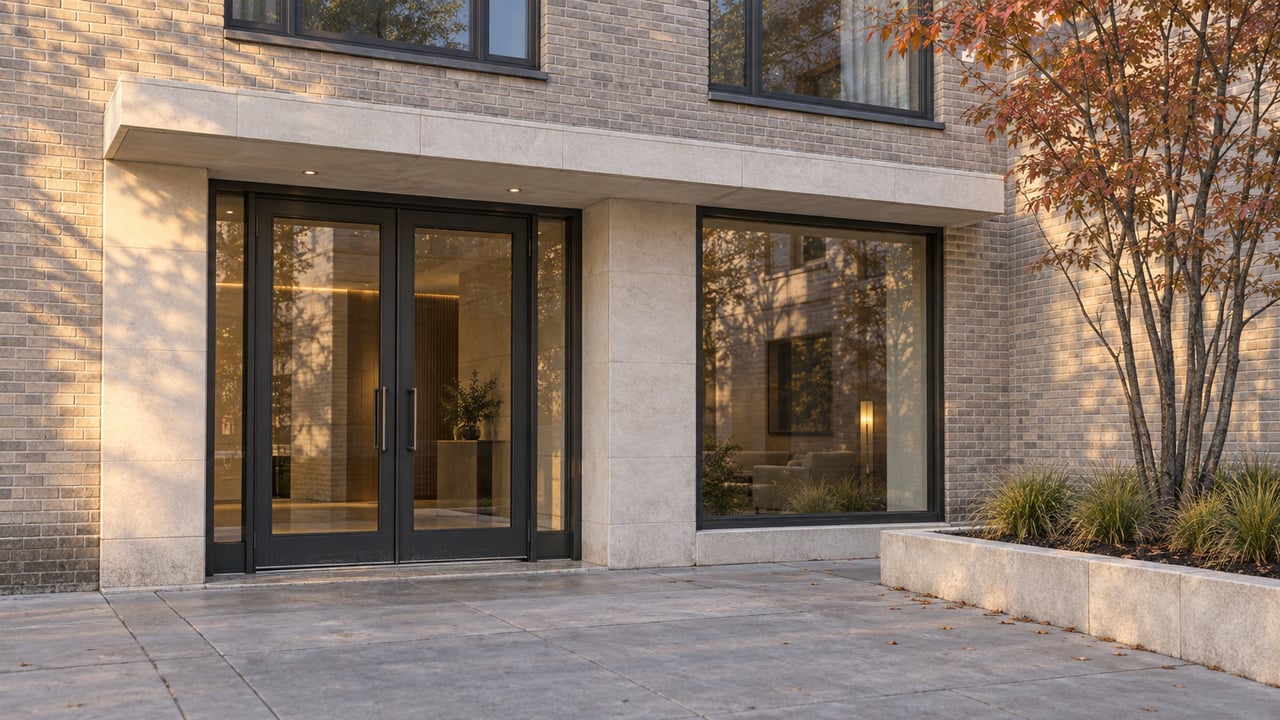

At Blue Door Realty Group, we believe every home is more than just a property — it’s the start of your next chapter. Our team is here to guide you with expertise, honesty, and care so you can move forward with confidence.

BLUE DOOR REALTY GROUP
4-50 Northline Rd Toronto ON M4B3E2